
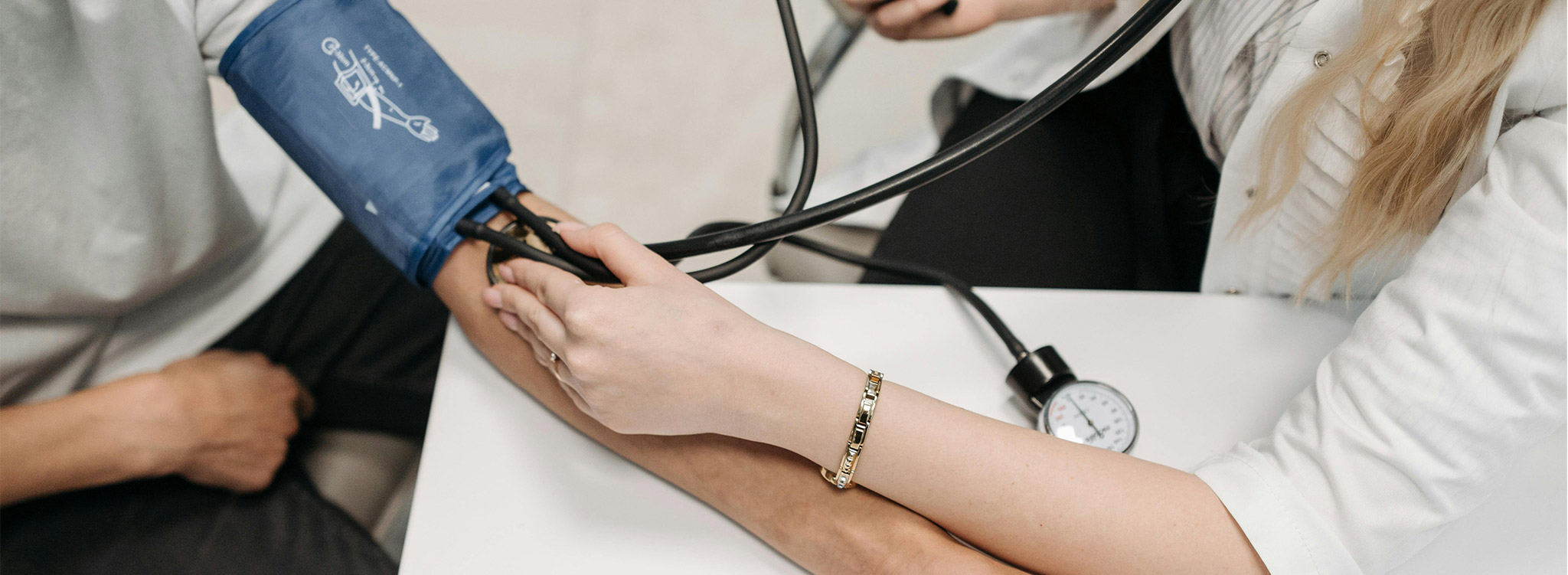
Patient Care Technicians in Monitoring Vital Signs
Patient Care Technicians (PCTs) are essential members of the healthcare team, responsible for a wide range of tasks that ensure the well-being and safety of patients. One of the most critical responsibilities of PCTs is the regular monitoring of vital signs. This includes measuring and recording blood pressure, heart rate, temperature, respiratory rate, and oxygen saturation. Consistent monitoring of these vital signs is crucial for the early detection of potential health issues and allows for timely medical intervention. In this blog, we will explore the importance of vital signs monitoring, the role of PCTs in this process, and how their efforts contribute to improved patient outcomes.
Understanding Vital Signs
Vital signs are key indicators of a person’s overall health and are used to monitor the body’s basic functions. The primary vital signs that PCTs monitor include:
- Blood Pressure (BP): Blood pressure measures the force of blood against the walls of the arteries. It is recorded as two numbers: systolic (the higher number, indicating the pressure when the heart beats) and diastolic (the lower number, indicating the pressure when the heart rests between beats). Abnormal BP readings can indicate conditions such as hypertension, hypotension, and cardiovascular issues.
- Heart Rate (HR): Heart rate, or pulse, measures the number of heartbeats per minute. An abnormal heart rate can signal various health problems, including arrhythmias, dehydration, and stress.
- Temperature: Body temperature is a measure of the body’s ability to generate and get rid of heat. A fever or low body temperature can indicate infections, metabolic disorders, or other medical conditions.
- Respiratory Rate (RR): Respiratory rate is the number of breaths a person takes per minute. Abnormal RR can be a sign of respiratory or cardiac conditions, as well as other health issues.
- Oxygen Saturation (SpO2): Oxygen saturation measures the percentage of oxygen in the blood. Low SpO2 levels can indicate respiratory problems and the need for supplemental oxygen.
The Role of PCTs in Monitoring Vital Signs
PCTs play a vital role in monitoring and recording vital signs, ensuring that any changes in a patient’s condition are promptly detected. Their responsibilities include:
- Regular Monitoring: PCTs perform routine checks of patients’ vital signs according to the healthcare facility’s protocols and the specific needs of each patient. This may involve taking measurements several times a day.
- Using Proper Techniques: PCTs are trained to use various medical devices and techniques to accurately measure vital signs. This includes using blood pressure cuffs, thermometers, pulse oximeters, and other equipment correctly.
- Recording Data: Accurate documentation of vital signs is crucial for tracking patients’ health status. PCTs record the measurements in patients’ medical records, ensuring that the data is readily available for healthcare providers to review.
- Identifying Abnormalities: PCTs are trained to recognize abnormal vital sign readings and understand the potential implications. When they detect irregularities, they immediately report them to the supervising nurse or physician for further assessment.
- Communicating with Patients: PCTs often interact closely with patients, explaining the procedures and addressing any concerns. They provide reassurance and support, helping patients feel comfortable during the monitoring process.
The Importance of Vital Signs Monitoring
Regular monitoring of vital signs is essential for several reasons:
- Early Detection of Health Issues: Consistent monitoring allows for the early detection of potential health problems. Abnormal vital sign readings can indicate the onset of conditions such as infections, cardiovascular issues, respiratory problems, and other acute or chronic illnesses.
- Timely Medical Intervention: Early detection enables prompt medical intervention, which can prevent complications and improve patient outcomes. For example, identifying a sudden drop in blood pressure can lead to immediate actions to stabilize the patient.
- Tracking Patient Progress: Monitoring vital signs helps track the progress of patients’ health status over time. It provides valuable information on how well patients are responding to treatments and medications.
- Improving Patient Safety: Regular monitoring contributes to patient safety by ensuring that any changes in health status are quickly addressed. This proactive approach reduces the risk of adverse events and improves overall care quality.
Patient Care Technicians play an indispensable role in the healthcare team by regularly monitoring vital signs. Their efforts in measuring, recording, and reporting vital sign data are crucial for the early detection of potential health issues and timely medical intervention. By providing accurate and consistent monitoring, PCTs help ensure the safety and well-being of patients, contributing to better health outcomes and improved quality of care. If you are passionate about healthcare and making a difference in patients’ lives, a career as a PCT offers the opportunity to play a vital role in patient care and support.

