Patient Care Technicians in Administering Injections
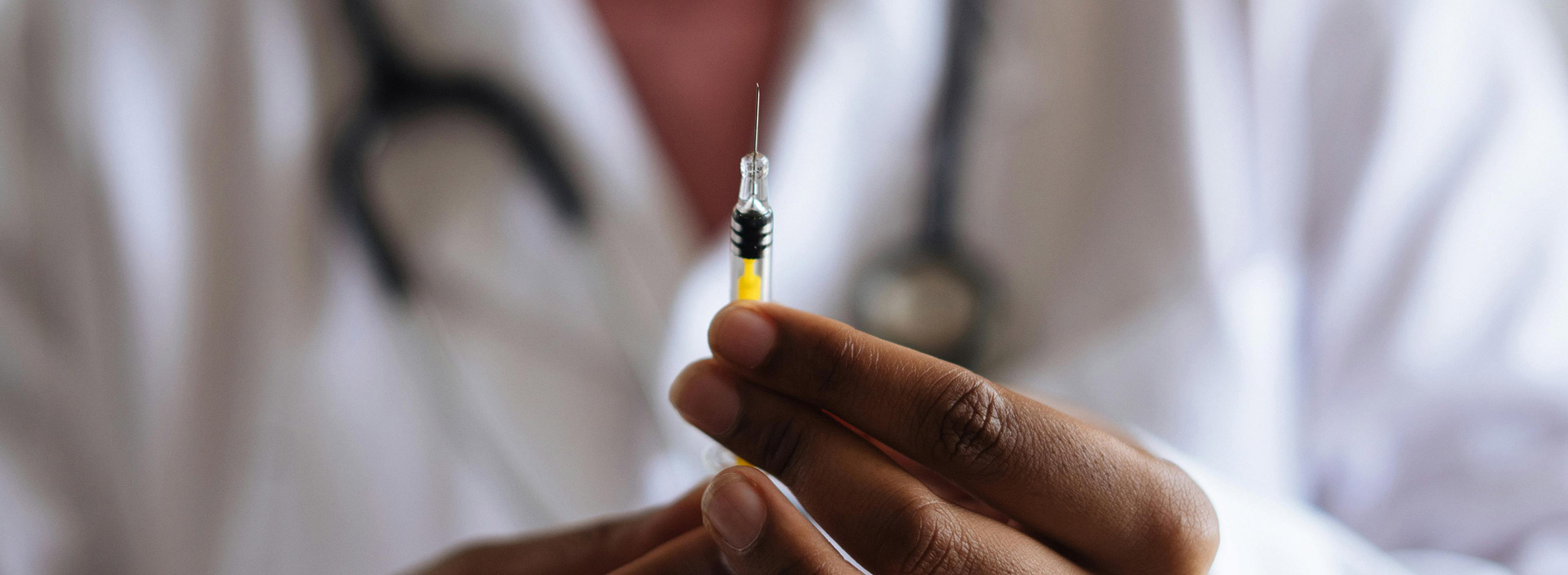
In some healthcare settings, PCTs are trained to administer injections and other treatments under the supervision of a nurse or physician. This responsibility is critical to patient care and requires a high level of skill, attention to detail, and adherence to safety protocols. In this blog, we will explore the role of PCTs in administering injections and other treatments, the training required, and the impact of their work on patient outcomes.
Administering Injections
Administering injections is a significant responsibility for PCTs, requiring specialized training and knowledge. This task involves several key components:
- Proper Training in Injection Techniques: PCTs receive thorough training in various injection techniques, including intramuscular, subcutaneous, and intradermal injections. They learn the appropriate methods for each type of injection to ensure accuracy and effectiveness.
- Sterile Procedures: Maintaining sterility is crucial when administering injections to prevent infections and complications. PCTs are trained in sterile techniques, including proper hand hygiene, using sterile gloves, and handling needles and syringes correctly.
- Patient Safety: Ensuring patient safety is paramount. PCTs are trained to assess patients for potential allergies or adverse reactions, select appropriate injection sites, and use the correct dosage. They also learn how to monitor patients for any immediate reactions following the injection.
- Types of Injections: PCTs often administer a variety of injections, including:
- Insulin Injections: For patients with diabetes, timely and accurate insulin injections are crucial for managing blood sugar levels.
- Vaccinations: PCTs may administer vaccines to prevent various diseases.
- Other Injectable Medications: This can include antibiotics, pain management medications, and other treatments as prescribed by healthcare providers.
Administering Other Treatments
In addition to injections, PCTs may be responsible for administering other treatments under the supervision of a nurse or physician. These treatments can include:
- Wound Care: PCTs are trained in basic wound care techniques, including cleaning and dressing wounds. They ensure that wounds are treated with sterile materials and that dressings are changed regularly to promote healing and prevent infection.
- Vital Signs Monitoring: PCTs regularly monitor and record patients’ vital signs, such as blood pressure, heart rate, temperature, and respiratory rate. This information is crucial for assessing patients’ overall health and identifying any potential issues.
- Assisting with Medical Procedures: PCTs often assist nurses and physicians with various medical procedures, such as catheter insertions, EKGs, and phlebotomy. Their role is to provide support, prepare the necessary equipment, and ensure that patients are comfortable and informed throughout the process.
- Administering Medication: In some settings, PCTs may be trained to administer oral medications, inhalers, and topical treatments. They ensure that patients receive their prescribed medications on time and monitor them for any adverse reactions.
The Importance of Proper Training and Certification
The ability of PCTs to administer injections and other treatments safely and effectively depends on proper training and certification. PCTs undergo rigorous training programs that include both classroom instruction and hands-on practice. They learn about:
- Human Anatomy and Physiology: Understanding the body’s structures and functions is essential for accurate injection administration and treatment.
- Pharmacology: Knowledge of different medications, their effects, dosages, and potential side effects is crucial for safe administration.
- Safety Protocols: PCTs are trained in infection control, patient safety, and emergency procedures to ensure they can handle any situation that may arise.
- Communication Skills: Effective communication with patients and healthcare team members is vital. PCTs learn how to explain procedures to patients, obtain informed consent, and report any concerns to supervising nurses or physicians.
Impact on Patient Outcomes
The role of PCTs in administering injections and other treatments significantly impacts patient outcomes. Their contributions include:
- Timely and Accurate Medication Administration: Ensuring patients receive their medications on time and in the correct dosage is essential for effective treatment and management of various health conditions.
- Enhanced Patient Comfort and Trust: PCTs often develop strong relationships with patients, providing reassurance and support during treatments. This can lead to increased patient compliance and better overall health outcomes.
- Support for the Healthcare Team: By taking on responsibilities such as administering injections and other treatments, PCTs free up nurses and physicians to focus on more complex tasks, improving the overall efficiency of the healthcare team.
Patient Care Technicians play a vital role in administering injections and other treatments, contributing significantly to patient care and outcomes. Their specialized training, adherence to safety protocols, and compassionate care ensure that patients receive the best possible treatment. If you are passionate about healthcare and looking for a rewarding career that makes a real difference in people’s lives, becoming a PCT offers the opportunity to provide essential care and support to those in need.

