
Patient Care Technician
  • Select Your State
      • Alabama
      • Alaska
      • Arizona
      • Arkansas
      • California
      • Colorado
      • Connecticut
      • Delaware
      • District of Columbia
      • Florida
      • Georgia
      • Hawaii
      • Idaho
      • Illinois
      • Indiana
      • Iowa
      • Kansas
      • Kentucky
      • Louisiana
      • Maine
      • Maryland
      • Massachusetts
      • Michigan
      • Minnesota
      • Mississippi
      • Missouri
      • Montana
      • New Hampshire
      • Nebraska
      • Nevada
      • New Jersey
      • New Mexico
      • New York
      • North Carolina
      • North Dakota
      • Ohio
      • Oklahoma
      • Oregon
      • Pennsylvania
      • Rhode Island
      • South Carolina
      • South Dakota
      • Tennessee
      • Texas
      • Utah
      • Vermont
      • Virginia
      • Washington
      • West Virginia
      • Wisconsin
      • Wyoming
  • Top Cities
      • Pittsburgh, PA
      • Dallas, TX
      • Philadelphia, PA
      • El Paso, TX
      • Jacksonville, FL
      • Fort Worth, TX
      • San Antonio, TX
      • Denver, CO
      • Boulder, CO
      • Colorado Springs, CO
      • Honolulu, HI
      • Houston, TX
      • Manhatten, NY
      • Miami, FL
      • Tampa, FL
      • Oakland, CA
      • Pasadena, CA
      • Sacramento, CA
      • San Francisco, CA
      • Orlando, FL
      • San Jose, CA
      • Los Angeles, CA
      • Phoenix, AZ
      • Tucson, AZ
      • Mesa, AZ
  • How to Become
  • FAQ’s
  • PCT Articles
  • Menu Menu
schools for nursing

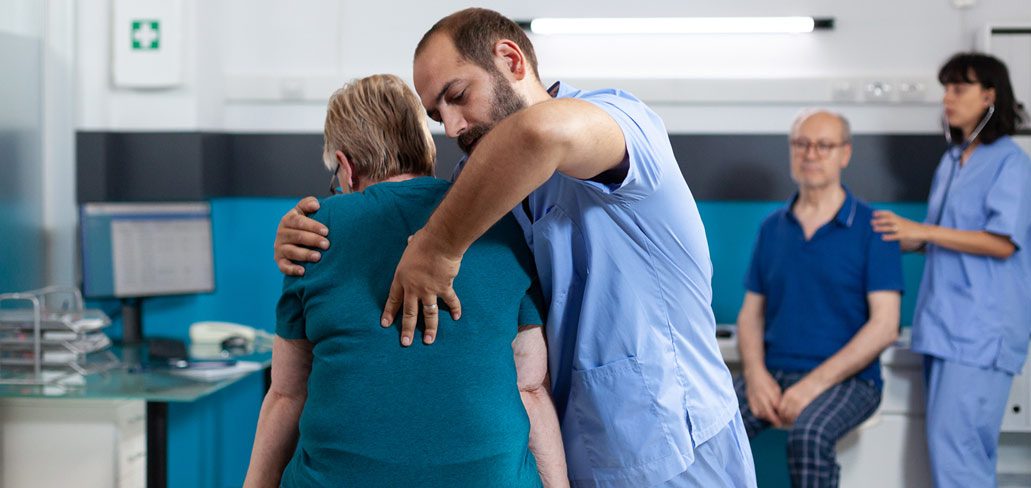
Safe Patient Transfers and Positioning

As a patient care technician (PCT), you play a vital role in the care of your patients. This includes helping them with transfers and positioning. Safe patient handling is essential to prevent injuries to both you and your patients.

Proper Body Mechanics

Proper body mechanics is essential for safe patient handling. This means using your body in a way that is efficient and minimizes the risk of injury. Here are some tips for using proper body mechanics:

  • Keep your back straight. Avoid bending over at the waist.
  • Bend at the knees. This will help to protect your back.
  • Use your legs to lift. Don’t lift with your back.
  • Keep the patient close to your body. This will help you to maintain your balance.
  • Ask for help if you need it. Don’t try to lift a patient alone if you can’t do it safely.

Equipment Usage

There are a number of pieces of equipment that can help you to safely transfer and position patients. These include:

  • Transfer belts: Transfer belts can help you to safely lift and move patients.
  • Gait belts: Gait belts can help patients to stand and walk.
  • Slide sheets: Slide sheets can help you to move patients from one surface to another.
  • Mechanical lifts: Mechanical lifts can help you to lift and move patients who are unable to assist you.

Different Transfer Techniques

There are a number of different transfer techniques that you can use. The best technique to use will depend on the patient’s condition and your own physical abilities. Here are a few examples of different transfer techniques:

  • Standing pivot transfer: This is a good option for patients who are able to bear some weight on their legs.
  • Two-person lift: This is a good option for patients who are unable to bear any weight on their legs.
  • Slide board transfer: This is a good option for patients who are unable to move their legs.

Additional Tips

  • Communicate with your patient. Let them know what you are going to do before you do it.
  • Assess the patient’s ability to assist you. This will help you to choose the best transfer technique.
  • Use assistive devices if necessary. This will help to make the transfer safer and easier.
  • Take your time. Don’t rush the transfer.
  • Ask for help if you need it. Don’t be afraid to ask for help from a coworker if you need it.

Safe patient handling is essential for preventing injuries to both you and your patients. By following the tips in this blog post, you can help to ensure that your patients are safe and that you are not at risk of injury.

I would also like to add that it is important to get training in safe patient handling techniques. This training will teach you the proper techniques for lifting, moving, and positioning patients. It is also important to stay up-to-date on the latest safety guidelines.

Search Patient Care Technician Programs

Get information on Patient Care Technician programs by entering your zip code and request enrollment information.

Sponsored Listings
Search Patient Care Technician Programs

Get information on Patient Care Technician programs by entering your zip code and request enrollment information.

Sponsored Search
become a Patient care technician
  • patient Care Technician
    Starting a Mobile IV Therapy Business as a PCTAugust 23, 2025 - 9:32 am
  • patient Care Technician
    The History of Patient Care TechniciansAugust 23, 2025 - 8:20 am
  • patient Care Technician
    Will AI Replace PCTs and the Future of Human Roles in HealthcareAugust 23, 2025 - 8:07 am
  • patient Care Technician
    Top Apps That Make a PCT’s Life EasierAugust 2, 2025 - 4:14 pm
  • Patient Care Technician schools
    The Honest Truth About Life on the Frontlines of Patient CareAugust 1, 2025 - 11:13 pm
  • patient Care Technician
    5 Times a Patient Care Technician Made a Life-Changing ImpactJuly 18, 2025 - 9:46 am
  • Patient Care Technician jobs
    Top PCT Social Media Accounts and Podcasts to FollowJuly 18, 2025 - 9:32 am
  • Patient Care Technician jobs
    What’s the Difference PCT vs CNA vs MA?July 18, 2025 - 7:50 am
  • Patient Care Technician jobs
    10 Stretches Every PCT Should Do After a Long ShiftMay 13, 2025 - 9:34 am
  • Patient Care Technician jobs
    How to Stay Calm and Focused During a Code BlueMay 13, 2025 - 9:09 am
  • patient Care Tech Online degree
    What PCTs Should Know About Supporting Patients With DementiaApril 29, 2025 - 8:57 am
  • patient Care Tech Online degree
    Profound Lessons Learned at the BedsideApril 28, 2025 - 6:16 am
  • patient Care Tech Online degree
    The Vital Link Between Sleep, Nutrition, and Your Healthcare PerformanceApril 28, 2025 - 6:10 am
  • Nursing courses and classes
    Answering Your Questions About Patient CareApril 19, 2025 - 9:23 am
  • patient Care Tech Online degree
    The PCT Support Group: Connecting and Sharing Experiences OnlineApril 19, 2025 - 9:13 am
  • Online Patient Care Tech school
    Advocating for Your Patients: Being Their Voice in the Healthcare SettingApril 19, 2025 - 9:02 am
  • schools for nursing
    A PCT’s Guide to Canes, Walkers, and WheelchairsApril 19, 2025 - 8:55 am
  • schools for nursing
    Quiz: What Type of PCT Are You?April 19, 2025 - 8:41 am
  • schools for nursing
    How to Stand Out as a PCT During Clinical RotationsApril 19, 2025 - 8:29 am
  • schools for nursing
    Essentials Every PCT Should CarryApril 19, 2025 - 8:13 am
PTC Educational Value
Patient Care Technician duties
© Copyright - PatientCareTech.org 2026 Webdesign by www.MyMediaDesigner.com
Link to: The Role of the PCT in Different Healthcare Settings Link to: The Role of the PCT in Different Healthcare Settings The Role of the PCT in Different Healthcare Settingsschools for nursing Link to: Understanding HIPAA for PCTs Link to: Understanding HIPAA for PCTs schools for nursingUnderstanding HIPAA for PCTs
Scroll to top Scroll to top Scroll to top