
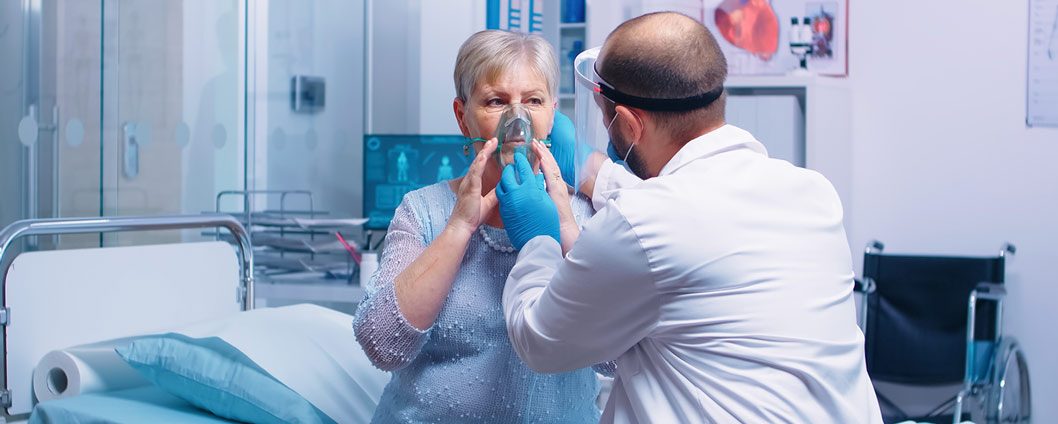
The PCT’s Role in Respiratory Care: Supporting Breath and Well-being
Respiratory care is a crucial aspect of patient well-being, and Patient Care Technicians (PCTs) play a vital role in supporting patients with respiratory needs. From assisting with oxygen therapy to encouraging deep breathing exercises, PCTs are on the front lines, helping patients breathe easier and improve their quality of life. This blog post will explore the PCT’s role in respiratory care, focusing on oxygen therapy, nebulizer treatments, and deep breathing exercises.
Understanding the Importance of Respiratory Care:
Respiratory issues can significantly impact a patient’s overall health and comfort. Conditions like pneumonia, asthma, COPD, and other respiratory illnesses can make breathing difficult, leading to anxiety, fatigue, and decreased quality of life. Effective respiratory care is essential for managing these conditions and promoting healing.
Oxygen Therapy: Supporting Oxygenation:
Oxygen therapy is a common treatment for patients with respiratory problems. PCTs often assist nurses in the administration of oxygen, which may include:
- Setting up Oxygen Delivery Systems: This may involve assembling oxygen tubing, connecting it to the oxygen source, and ensuring the correct flow rate as prescribed by the physician. Familiarity with various oxygen delivery methods, such as nasal cannulas, masks, and ventilators (though PCTs don’t manage ventilator settings), is essential.
- Monitoring Oxygen Saturation: PCTs may be responsible for monitoring patients’ oxygen saturation levels using pulse oximetry. This non-invasive test measures the percentage of oxygen in the blood. Accurate readings and prompt reporting of any desaturation events are crucial.
- Ensuring Patient Comfort: Patients receiving oxygen therapy may experience discomfort, such as dryness of the nose or skin irritation. PCTs can help by providing humidification, applying nasal cream, and ensuring the oxygen delivery device fits comfortably.
- Observing for Complications: PCTs should be vigilant for potential complications of oxygen therapy, such as skin breakdown, oxygen toxicity (though rare with standard delivery methods), and changes in the patient’s respiratory status. Any concerns should be reported to the nurse immediately.
Nebulizer Treatments: Delivering Medication Directly to the Lungs:
Nebulizers are devices that convert liquid medication into a fine mist that can be inhaled directly into the lungs. PCTs may assist with nebulizer treatments by:
- Preparing the Nebulizer: This involves adding the prescribed medication to the nebulizer cup and connecting the device to an air compressor or oxygen source.
- Instructing the Patient: Patients need clear instructions on how to use the nebulizer correctly. PCTs can teach patients to breathe deeply and slowly through the mouthpiece to ensure the medication reaches the lungs.
- Monitoring During Treatment: Observe the patient during the nebulizer treatment, ensuring they are tolerating it well and that the medication is being delivered effectively.
- Cleaning and Maintaining Equipment: Nebulizers need to be cleaned regularly to prevent bacterial growth. PCTs may be responsible for cleaning and maintaining the equipment according to facility protocols.
Deep Breathing Exercises: Promoting Lung Expansion:
Deep breathing exercises are simple yet effective techniques that can help improve lung function and prevent respiratory complications. PCTs can play a key role in encouraging patients to perform these exercises:
- Educating Patients: Explain the benefits of deep breathing exercises, such as increasing lung capacity, clearing mucus, and reducing the risk of pneumonia.
- Demonstrating Techniques: Show patients how to perform deep breathing exercises correctly. This typically involves inhaling slowly and deeply through the nose, holding the breath for a few seconds, and then exhaling slowly through the mouth.
- Encouraging Regular Practice: Remind and encourage patients to perform deep breathing exercises regularly, especially after surgery or during periods of prolonged bed rest.
- Incentive Spirometry: PCTs may also assist patients with incentive spirometry, a device that provides visual feedback on their breathing effort and encourages deep, sustained inhalations.
Special Considerations for PCTs:
- Communication: Clear communication with patients about their respiratory care is essential. Explain procedures in simple terms and answer any questions they may have.
- Observation: Pay close attention to patients’ respiratory status, noting any changes in their breathing, oxygen saturation, or cough. Report any concerns to the nurse promptly.
- Collaboration: Work closely with nurses, respiratory therapists, and other healthcare professionals to provide coordinated and comprehensive respiratory care.
- Documentation: Accurate and timely documentation of respiratory care interventions and patient responses is crucial.
Respiratory care is a vital aspect of patient care, and PCTs play a critical role in supporting patients with respiratory needs. By understanding the principles of oxygen therapy, nebulizer treatments, and deep breathing exercises, and by working collaboratively with the healthcare team, PCTs can make a significant difference in improving patients’ respiratory health and overall well-being.

