
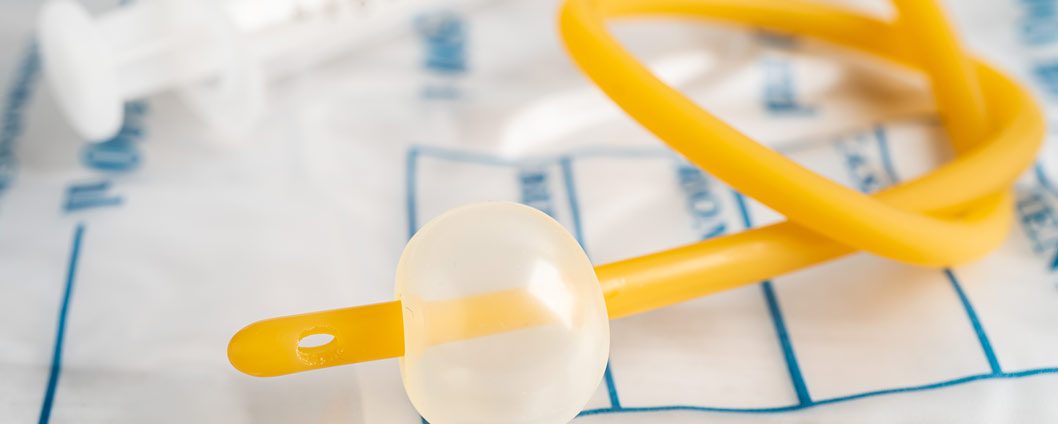
A Step-by-Step Guide for PCTs for Catheter Care
Urinary catheters are a common medical device, but proper care is essential to prevent infections and ensure patient comfort. As Patient Care Technicians (PCTs), you play a vital role in catheter maintenance. This step-by-step guide will outline proper catheter care techniques, emphasizing infection prevention and patient comfort.
Understanding the Importance of Catheter Care:
Urinary tract infections (UTIs) are a significant risk associated with catheter use. Proper hygiene and maintenance are crucial to minimize this risk. Catheter care also contributes significantly to patient comfort and overall well-being. By following these guidelines, you can help prevent complications and ensure your patients receive the best possible care.
Before You Begin:
- Gather Your Supplies: You’ll need warm water, a clean washcloth, mild soap (or a perineal cleanser as directed), gloves, a waterproof pad to protect the bed, and a disposable bag for waste.
- Explain the Procedure: Even if the patient seems unresponsive, explain what you’re going to do. This simple act of communication is essential for maintaining respect and reducing anxiety.
- Ensure Privacy: Close curtains or doors to provide privacy for the patient.
- Hand Hygiene is Paramount: Wash your hands thoroughly with soap and water or use an alcohol-based hand sanitizer before and after providing catheter care. This is the single most important step in preventing infection.
Step-by-Step Catheter Care:
- Prepare the Patient: Position the patient comfortably and drape them appropriately, exposing only the area you need to clean. Place the waterproof pad underneath the patient to protect the bed.
- Don Your Gloves: Put on clean gloves to maintain sterility and protect yourself.
- Clean the Perineal Area: If necessary, clean the perineal area before addressing the catheter itself. Use a clean washcloth and mild soap or perineal cleanser. For female patients, wipe from front to back to prevent the spread of bacteria. Rinse thoroughly and pat dry.
- Clean the Catheter: Using a clean washcloth and warm, soapy water (or as directed by your facility’s protocol), gently clean the catheter tubing where it exits the body. Cleanse downward, away from the insertion site, for about 4 inches. Avoid pulling or tugging on the catheter. For male patients with an uncircumcised penis, gently retract the foreskin before cleaning and replace it afterward.
- Clean the Meatus (if applicable): If indicated, gently cleanse the urethral opening (meatus) with a clean washcloth. For female patients, separate the labia to ensure thorough cleaning.
- Rinse and Dry: Rinse the area thoroughly with warm water, ensuring no soap residue remains. Pat the area dry with a clean towel.
- Secure the Catheter: Ensure the catheter is properly secured to the patient’s leg or abdomen, according to facility policy. This helps prevent accidental dislodgement and reduces pressure on the urethra.
- Empty the Drainage Bag (if needed): If the drainage bag needs emptying, follow your facility’s protocol. Generally, this involves emptying the bag into a designated receptacle and recording the amount and characteristics of the urine. Never place the drainage bag on the floor.
- Dispose of Supplies: Dispose of all used supplies, including gloves, washcloths, and the waterproof pad, in the appropriate waste container.
- Hand Hygiene Again: Wash your hands thoroughly after completing the procedure.
- Document: Document the procedure, including the date, time, any observations about the patient’s skin or the urine, and any patient concerns.
Important Considerations:
- Catheter Type: Be aware of the specific type of catheter the patient has (e.g., Foley, suprapubic) as care techniques might vary slightly.
- Infection Control: Strict adherence to hand hygiene and proper cleaning techniques is crucial to prevent UTIs.
- Patient Comfort: Be gentle and mindful of the patient’s comfort throughout the procedure. Address any concerns or discomfort they may express.
- Observe for Signs of Infection: Watch for signs of UTI, such as fever, chills, cloudy or foul-smelling urine, or pain or burning during urination. Report any concerns to the nurse immediately.
- Education: Educate patients (if they are able) and their families about proper catheter care, including hygiene and how to recognize signs of infection.
- Follow Facility Policy: Always adhere to your facility’s specific policies and procedures for catheter care.
Providing proper catheter care is a critical responsibility for PCTs. By following these steps and prioritizing hygiene and patient comfort, you can help prevent complications and improve the quality of care for your patients. Remember, when in doubt, always consult with a nurse or other healthcare professional for guidance.

