
Wearable Health Tech: Monitoring Vital Signs
Wearable health technology has evolved rapidly in recent years, offering innovative solutions to monitor vital signs and enhance overall wellness. From smartwatches to fitness trackers, these devices have become integral in managing health, providing real-time insights into our well-being, and helping us take proactive steps towards a healthier life. In this blog, we’ll review the latest wearable health technologies, explore their features, and discuss how they contribute to monitoring vital signs and improving patient health management.
The Rise of Wearable Health Tech
Wearable health tech encompasses a range of devices designed to be worn on the body, which track various health metrics and provide valuable data to users and healthcare providers. These devices have gained popularity due to their convenience, ease of use, and ability to offer continuous health monitoring. Key innovations in this field include smartwatches, fitness trackers, and specialized health monitors.
Latest Wearable Health Technologies
- Smartwatches
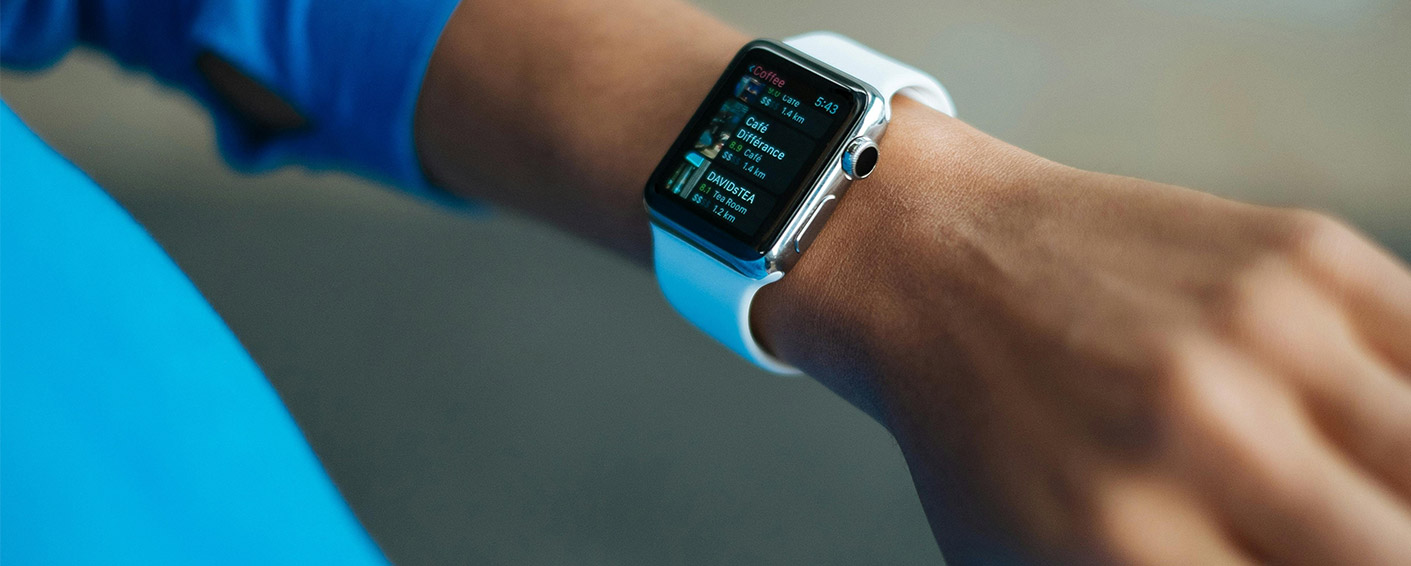
Modern smartwatches are equipped with advanced sensors that monitor a wide range of health metrics. Leading models from companies like Apple, Fitbit, and Garmin offer features such as:
- Heart Rate Monitoring: Continuous heart rate tracking provides insights into your cardiovascular health and can alert you to irregularities.
- ECG (Electrocardiogram): Some smartwatches can perform an ECG, which records the electrical activity of the heart to detect abnormalities such as atrial fibrillation.
- Blood Oxygen Levels: Sensors measure blood oxygen saturation levels (SpO2), which can be indicative of respiratory issues or overall health.
- Sleep Tracking: Monitoring sleep patterns helps identify disturbances and assess sleep quality, contributing to better overall wellness.
- Fitness Trackers
Fitness trackers are designed to help users monitor physical activity and maintain fitness goals. Key features include:
- Step Counting: Tracks daily steps and physical activity levels, helping users stay active and reach fitness targets.
- Calorie Tracking: Estimates calories burned based on activity levels and provides insights into energy expenditure.
- Exercise Monitoring: Provides data on various types of exercises, including running, cycling, and swimming, to help optimize workouts and improve performance.
- Specialized Health Monitors
Specialized wearable devices focus on specific health aspects, offering in-depth monitoring and management. Examples include:
- Blood Glucose Monitors: Continuous glucose monitors (CGMs) for diabetics provide real-time blood sugar readings, helping manage diabetes more effectively.
- Blood Pressure Monitors: Wearable blood pressure monitors offer a convenient way to track blood pressure trends and manage hypertension.
- Respiratory Monitors: Devices that track breathing patterns and lung function, useful for managing conditions like asthma or COPD.
Enhancing Wellness and Patient Health Management
Wearable health tech plays a significant role in enhancing wellness and managing patient health. Here’s how these technologies contribute to better health outcomes:
- Early Detection of Health Issues
Continuous monitoring of vital signs helps in the early detection of potential health issues. For example, irregular heart rates detected by smartwatches can prompt users to seek medical advice, potentially catching conditions like atrial fibrillation or heart disease before they become serious.
- Personalized Health Insights
Wearable devices provide personalized health data that helps users understand their health patterns and make informed decisions. Tracking metrics like sleep quality, physical activity, and heart rate variability enables users to tailor their wellness routines to their specific needs.
- Improved Disease Management
For individuals with chronic conditions such as diabetes or hypertension, wearable health tech offers valuable tools for managing their conditions. Continuous glucose monitors and blood pressure monitors provide real-time data that can be used to adjust treatment plans and improve disease management.
- Enhanced Patient-Provider Communication
Wearable devices often sync with mobile apps or health platforms, allowing users to share their health data with healthcare providers. This facilitates more informed consultations and enables providers to monitor patient progress remotely, leading to better management of health conditions.
- Encouraging Healthy Habits
Many wearable devices come with features that encourage users to adopt healthier lifestyles. Goal-setting, reminders, and activity challenges motivate users to stay active, improve their sleep habits, and maintain overall wellness.
Wearable health tech has revolutionized the way we monitor vital signs and manage our health. With advancements in smartwatches, fitness trackers, and specialized health monitors, users can gain valuable insights into their well-being and take proactive steps towards better health. By offering continuous monitoring, early detection, and personalized data, these devices enhance patient health management and promote overall wellness. As technology continues to advance, wearable health tech will undoubtedly play an increasingly important role in helping individuals lead healthier, more informed lives.
